What does tree surgery actually involve?
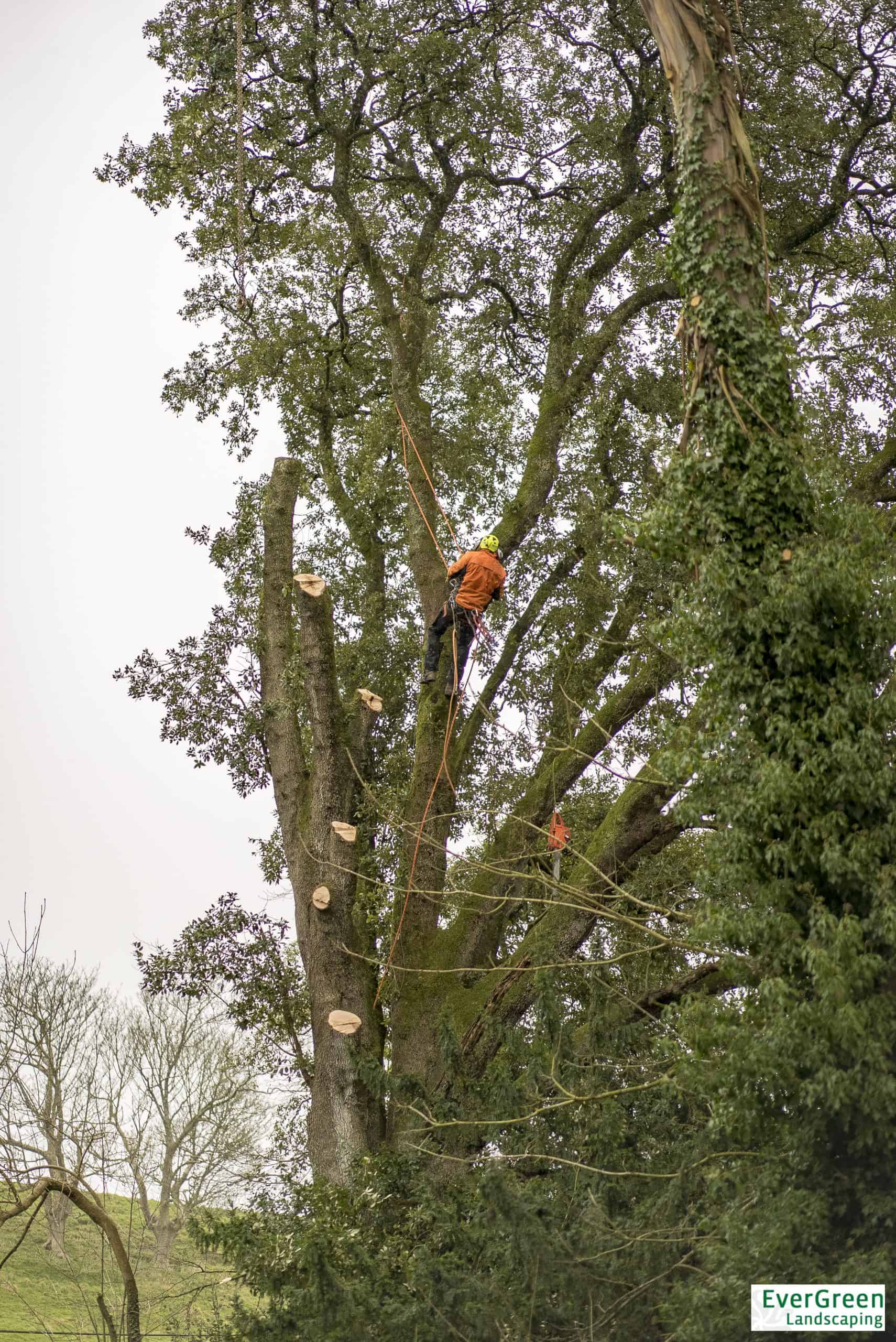
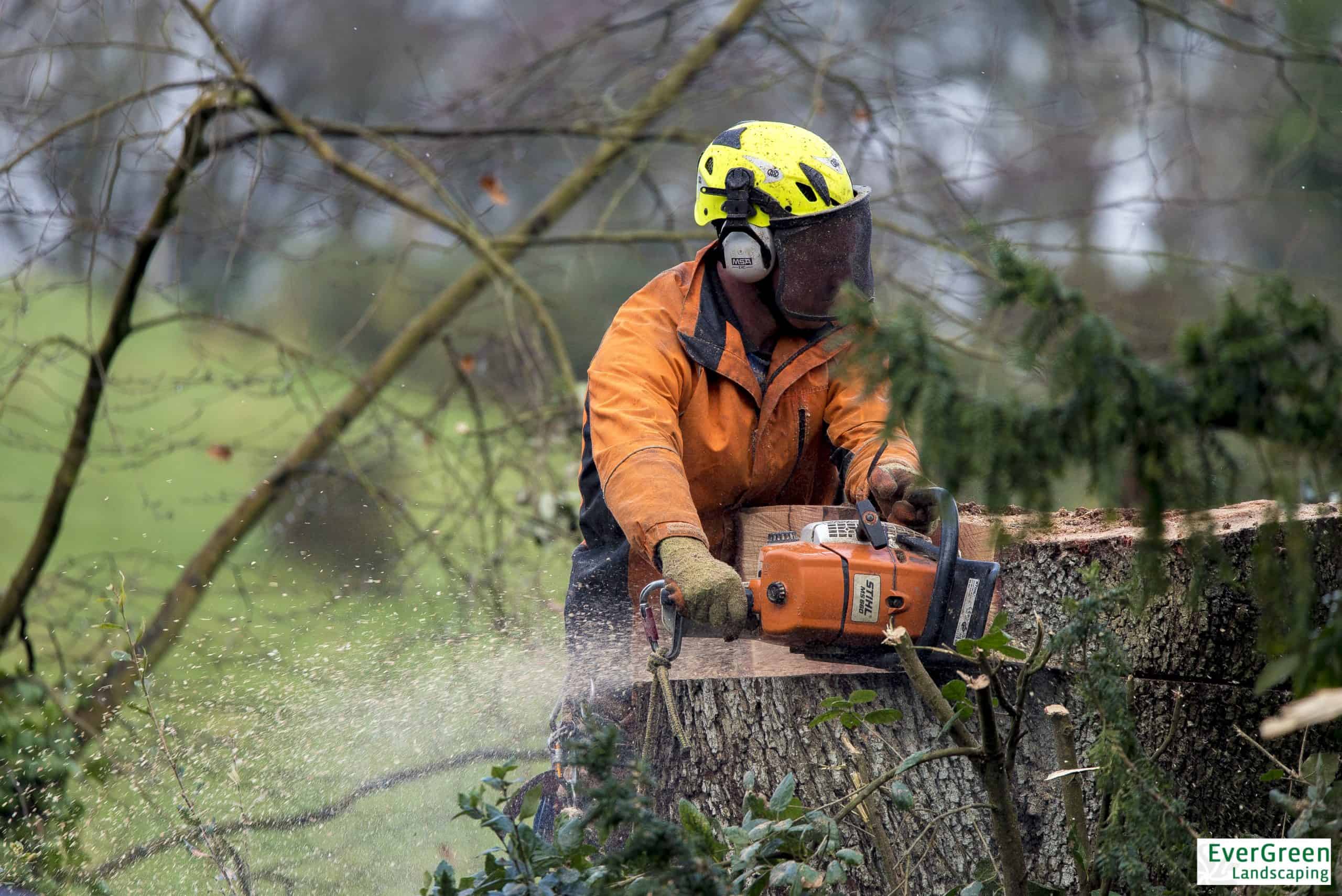
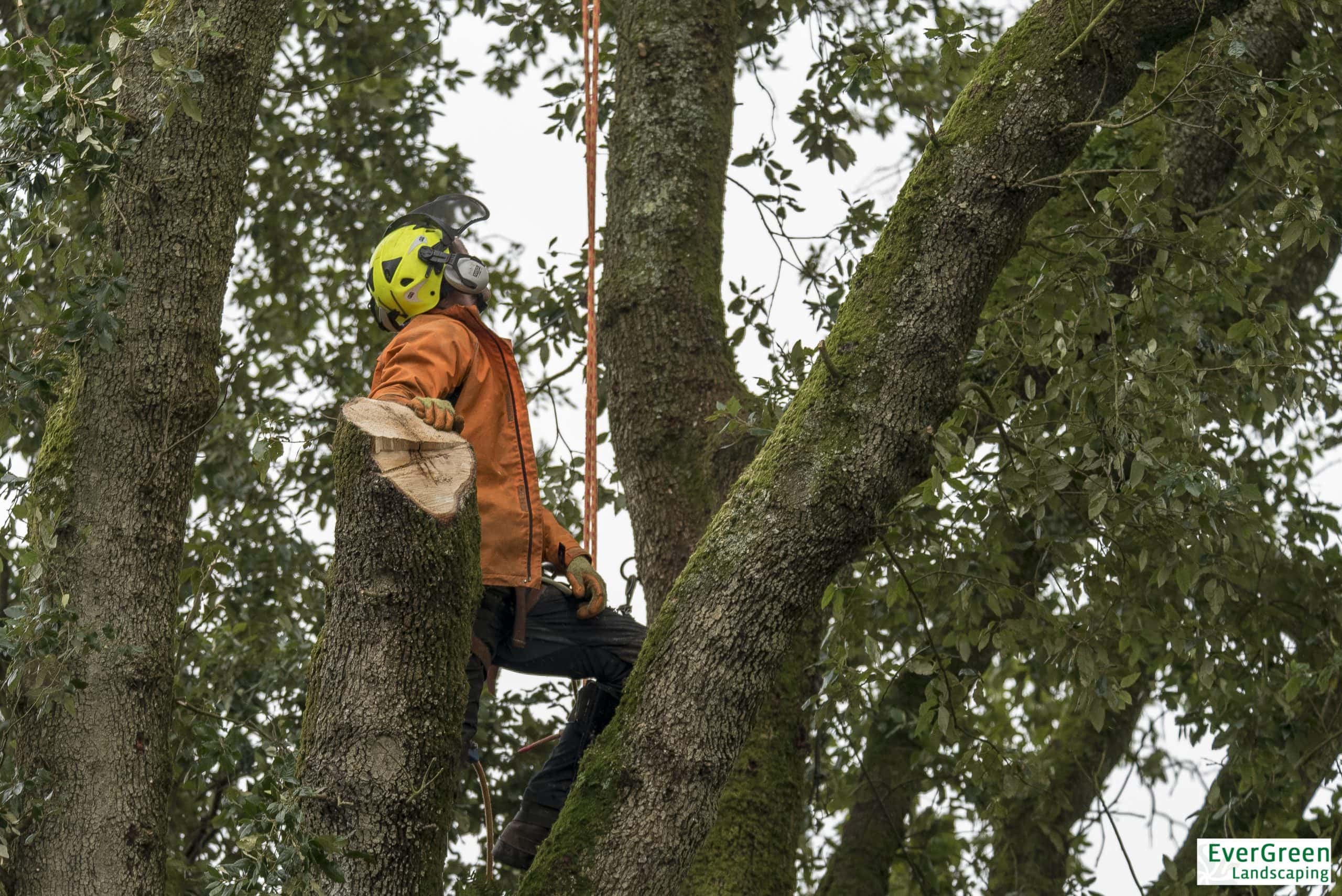
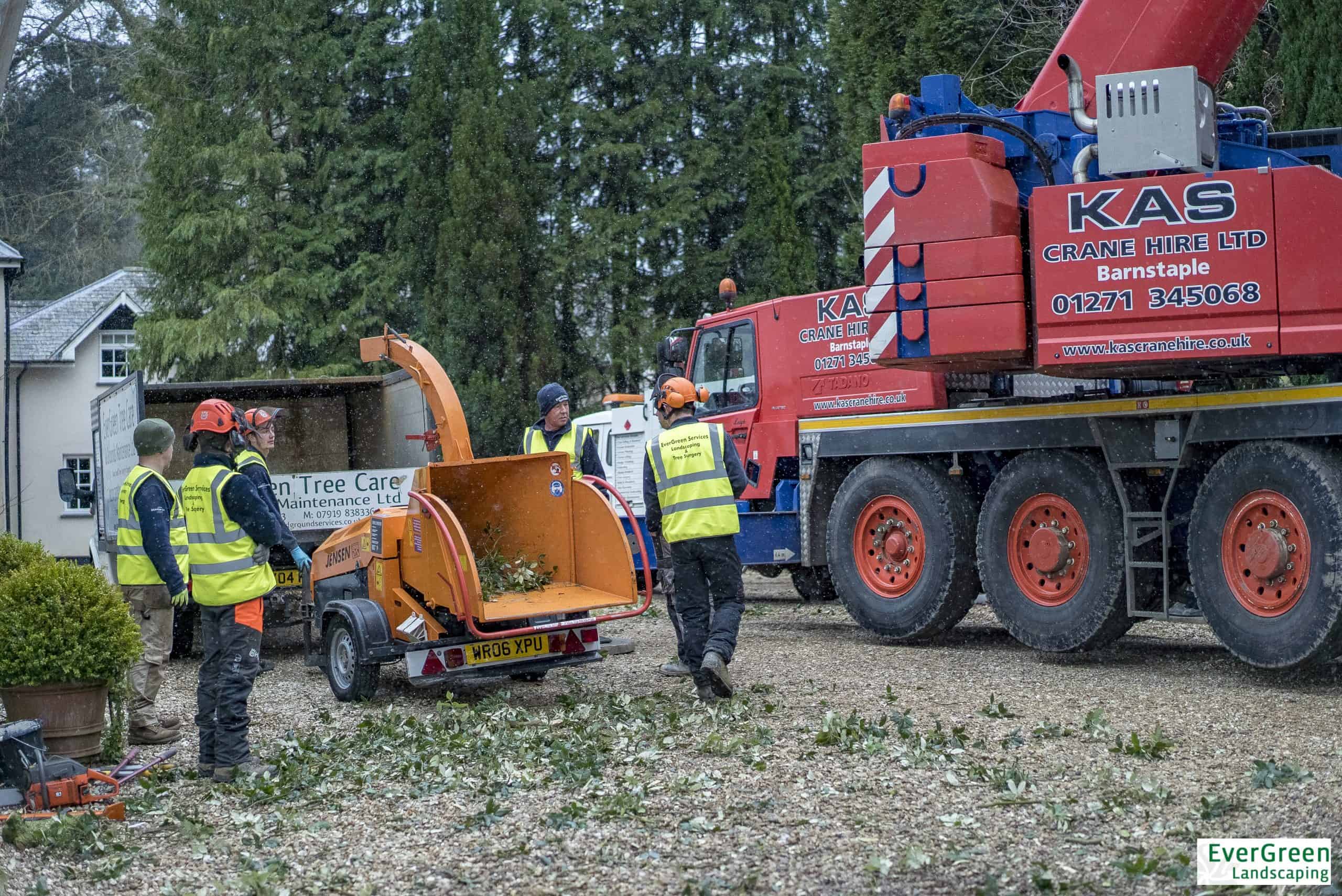
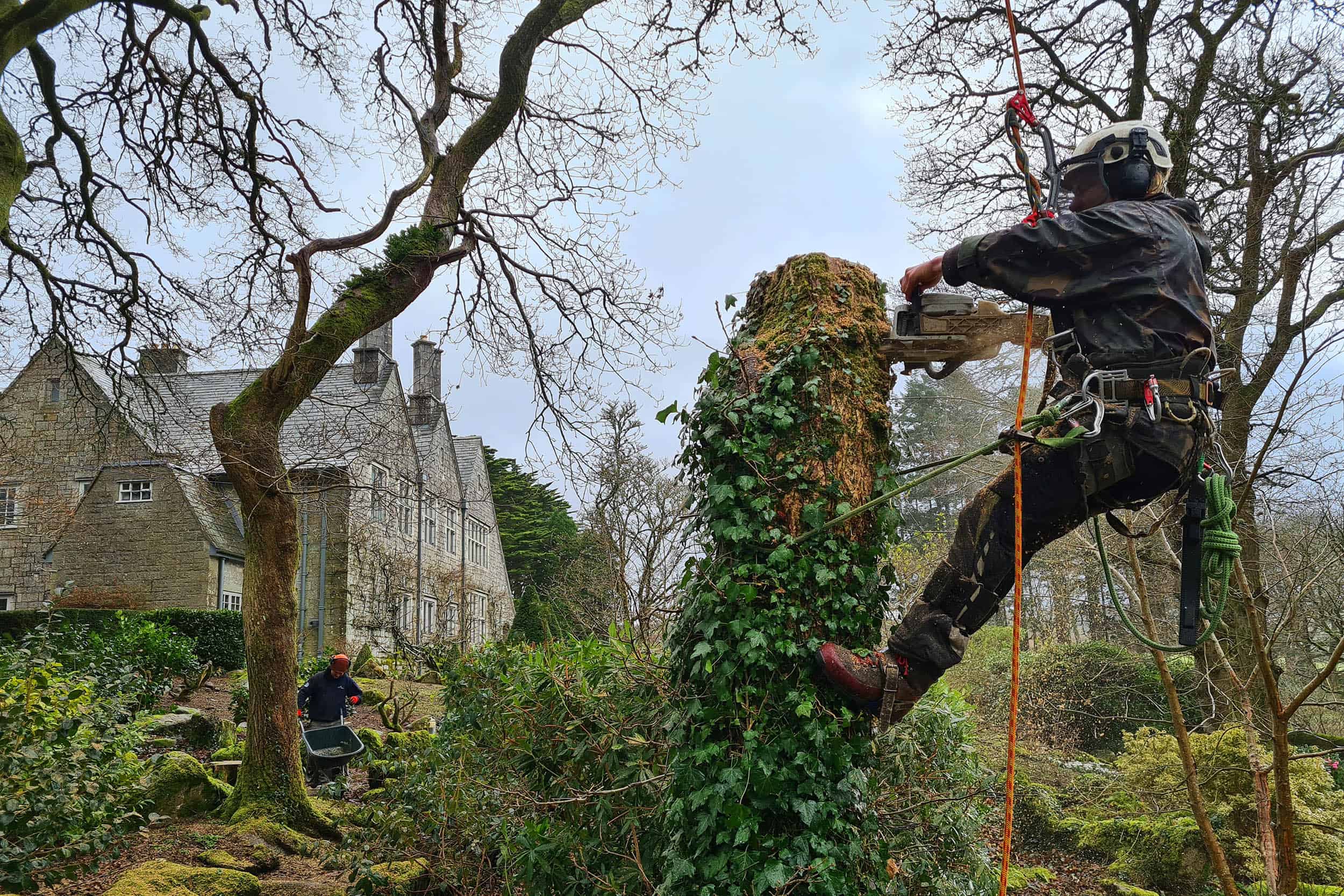
Tree surgery covers any skilled, technical intervention on a tree – typically carried out at height using specialist equipment and rope access techniques. This includes crown reduction, crown thinning, crown lifting, deadwooding, pollarding and formative pruning, as well as emergency work following storm damage or sudden structural failure. It requires a thorough understanding of tree biology, structure and risk, and is quite different from routine tree maintenance.
How do I know if my tree needs surgery?
If a tree poses a safety risk, has significant deadwood, has suffered storm or wind damage, or has structural issues that are affecting its long-term health, it likely needs tree surgery rather than routine maintenance. If you’re unsure, we’re happy to carry out a free site visit and give you an honest, straightforward assessment.
Do you need permission for tree surgery on Exmoor or Dartmoor?
It depends on the tree and where it sits. Trees within National Parks, conservation areas or subject to Tree Preservation Orders may require you to notify the local planning authority before any work is carried out. Our team can help you work out what applies to your situation before anything starts.
Can tree surgery save a tree that looks like it’s dying?
In many cases, yes. A qualified tree surgeon can assess whether the issues affecting a tree are treatable and recommend the right course of action – whether that’s targeted surgery to remove diseased or damaged sections, or a broader programme of work to restore the tree’s health. Early intervention is always preferable to removal where it’s a viable option.
How much does tree surgery cost in North Devon?
Every tree and every job is different, so we always recommend a free site visit before providing a quote. Pricing depends on the size and condition of the tree, the type of work required and the complexity of the location. Get in touch and we’ll arrange a convenient time to come and take a look.