
A garden that shrugs off autumn and comes back strong in spring does not happen by accident! The work you do in late summer, while the soil is still warm and the weather is kind, is what carries your lawn, borders, patio and hedges through the wetter months. This guide walks through the essential tasks for a Devon garden, in the order that makes sense to do them.
Work through the list over a weekend or two in August and September, and you will head into autumn with a garden that looks tidy, survives winter well and bounces back faster next spring.
What You’ll Need
Most of these tasks need little more than basic kit. Before you start, gather: an autumn lawn feed, spring bulbs (daffodils, tulips or alliums), compost or mulch, a patio cleaner and sealer, gloves, and a leaf rake. For the hedge and tree work, a professional team with the right equipment will make light work of what is often the most fiddly job on the list.
Step 1: Feed, Aerate and Repair Your Lawn
Lawns take a battering over summer, and autumn is the moment to put that right. The Royal Horticultural Society recommends switching to an autumn lawn feed, which is low in nitrogen and higher in potassium, to strengthen roots rather than push out soft leafy growth that winter will damage. Apply it while the grass is still growing, on a cool, damp day.
Then aerate. Spike compacted areas with a garden fork or aerator to let air and water reach the roots, which is especially valuable on heavy Devon clay soils that sit wet through winter. Where summer has left bare or patchy areas, rake them over and sow grass seed now, while the soil is still warm enough for it to germinate. Autumn is actually one of the two best times of year to seed a lawn, alongside spring, as the RHS explains in its lawn from seed guide.
Finally, raise the mower blades a notch. Longer grass copes better with autumn damp and winter cold, so ease off the short summer cut from now on.
Step 2: Plant Spring Bulbs and Autumn Bedding
September and October are prime bulb-planting months. Daffodils, tulips, alliums and crocuses planted now will deliver colour from February through May, and the warm soil gives them time to establish roots before winter. The RHS bulb guide covers spacing and depth, but as a rule of thumb, plant bulbs at two to three times their own depth and add grit to heavy ground to stop them rotting over winter.
For instant colour as summer flowers fade, swap tired bedding for autumn pansies, violas or cyclamen. These flower through the cooler months and fill borders, pots and window boxes with colour right through to spring. If you are planning a bigger change, autumn is also a superb time for planting and turfing, because roots establish in warm soil before the ground turns cold.
Step 3: Clear Borders and Build Compost
Tidy up spent summer annuals and cut back perennials that have finished flowering, but leave seed heads on plants that birds enjoy, such as echinacea and teasel. Pull up annual weeds now, while they are still easy to lift, and you will save yourself a much bigger job in spring.
Spread a layer of compost or mulch over bare soil in borders. It suppresses winter weeds, feeds the soil as it breaks down and protects plant roots from cold snaps. Start a compost heap with the spent growth and fallen leaves, and you will have free soil conditioner ready for next year.
Step 4: Clean and Seal Patios and Paving
Devon’s damp autumns are ideal conditions for algae, moss and lichen to take hold on patios and paving, and once they establish, they are hard to shift. Clean your patio while the weather is still dry, treat any moss or algae, and check the pointing between slabs. If your paving has never been sealed, autumn is the time to do it, as a good sealer stops water penetrating and protects against frost damage and staining.
While you are at it, check the drainage. Water should run away from the house and off the patio, not pool against the walls. Our patio installation and maintenance team can re-point, re-level or improve drainage on existing paving if it has settled or started to hold water.
Step 5: Trim Hedges and Check Trees Before Winter Storms
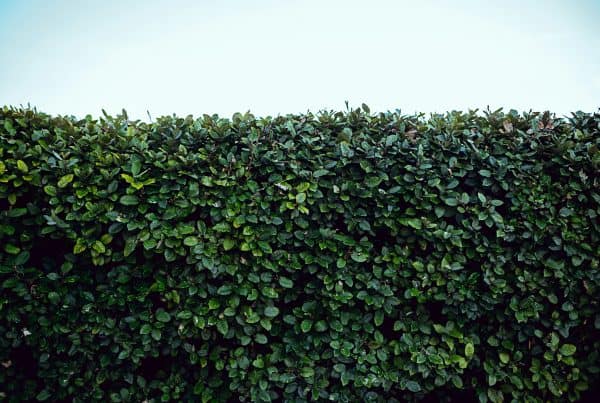
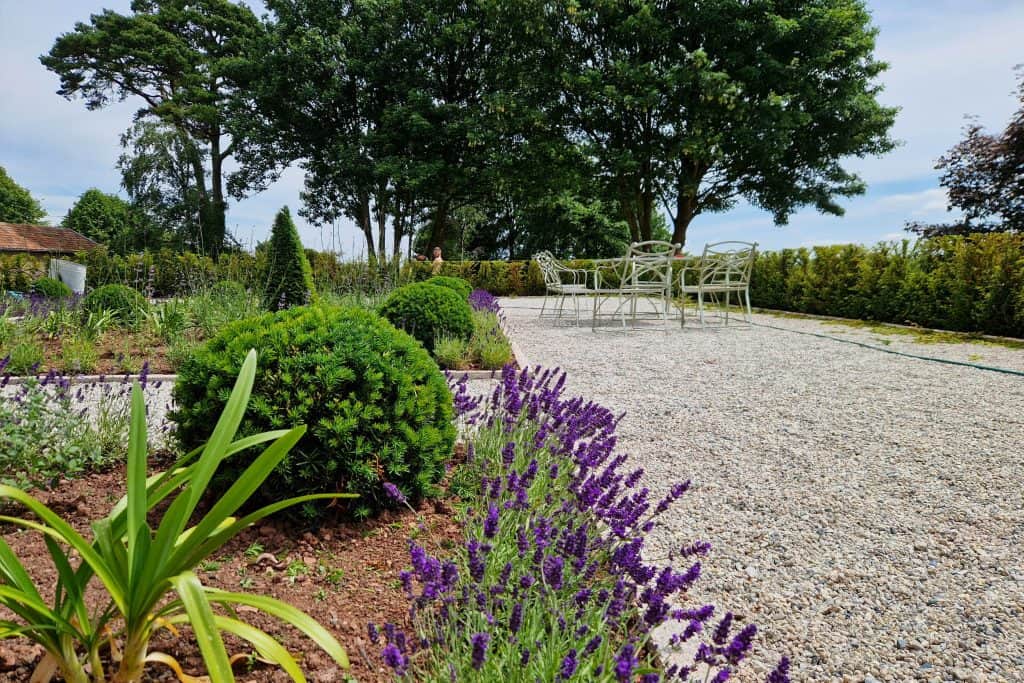
Late summer is the best time to give hedges their final cut before winter. Growth slows, nesting season is over, and the hedge will hold its shape through autumn. For most species, one tidy cut in August or September is enough, and it keeps the garden looking cared for all winter.
Trees deserve attention too. Storm season in Devon can be fierce, and a tree with deadwood or a weak limb is a risk to your house, car or garden buildings. A quick check for hanging branches, cracks or dieback is worthwhile, and our tree care team can prune, crown-reduce or remove problem branches before the weather turns. If you need the hedges sorted at the same time, our hedge trimming service covers everything from town gardens to long rural boundaries.
Step 6: Check Drainage and Protect Against Frost
Before the wet weather sets in, clear leaves and debris from gullies, drains and gravel areas so water can flow away freely. On a Devon clay garden, poor drainage is the most common reason plants die over winter, so improving drainage now pays off in spring.
Tender plants, such as citrus, dahlias and half-hardy perennials, should be moved under cover or given a protective mulch before the first frost. Wrap outdoor taps and pipes, and bring in anything that would not survive a hard freeze. A little work in September means no panics in January.
What To Watch Out For
A few common errors undo all the good work, so it is worth mentioning them:
• Do not cut conifers such as leylandii back into bare wood, as they will not regrow. Only trim the green growth.
• Do not apply a high-nitrogen summer feed in autumn, as it encourages soft growth that winter will damage. Use an autumn feed instead.
• Do not leave thick layers of fallen leaves smothering the lawn, as they block light and encourage disease. Rake them into borders or a compost heap.
• Do not prune spring-flowering shrubs like forsythia now, as you will cut off next year’s flowers. Wait until after they bloom.
Next Steps
You do not have to do it all yourself. If the lawn needs feeding and aeration, the hedges need a professional cut, or the patio needs cleaning and sealing, Evergreen can handle the heavy jobs while you enjoy your garden. We provide landscaping, planting and turfing across North Devon, Exmoor, Dartmoor and Exeter, from one-off autumn projects to ongoing grounds maintenance for commercial properties.
Contact Evergreen for a free, no-obligation landscaping consultation, and we will put together a plan that gets your garden ready for autumn and beyond.
FAQs
Q: When should I stop mowing my lawn in autumn?
A: Keep mowing while the grass is still growing, usually into October, but raise the cutting height as growth slows. Stop when the grass stops growing, typically around the first frosts, and avoid mowing a wet or frosty lawn.
Q: Can I lay turf or sow grass seed in autumn?
A: Yes. Autumn is one of the best times for both, because the soil is still warm but moist, which helps grass establish before winter. The RHS recommends sowing seed in spring or autumn and laying turf from autumn to early spring.
Q: Should I trim my hedges in September?
A: For most hedge types, yes. Late summer to early autumn is the ideal window for the final cut of the year, after nesting season and before growth stops. Conifers should be finished a little earlier so cuts harden before frost.
Q: Do I need to seal my patio before winter?
A: It is recommended for unsealed paving. A quality sealer stops water penetrating the surface, which reduces frost damage, staining and the growth of algae and moss through the damp winter months.
Q: What is the best thing to plant in a Devon garden in autumn?
A: Spring bulbs such as daffodils, tulips and alliums are the obvious choice, along with autumn bedding like pansies and violas for winter colour. Autumn is also an excellent time to plant trees, shrubs, hedges and turf while the soil is still warm.